| [ Web Proxy ] |
| Viewing: https://www.mirror.co.uk/lifestyle/health/what-sepsis-signs-symptoms-treatment-7246541 | [Back] [Original] |
Health issues: Sepsis is a form of blood poisoning which puts the immune system into overdrive(Image: NHS)
Most people think flu-like symptoms are a sign they're coming down with a cold, but they can actually be far more serious.
Recognising sepsis blood poisoning in time for treatment could save someone's life, according to NHS Choices.
Without being treated quickly, sepsis can lead to multiple organ failure - and even death.
There have been multiple cases in the news of people who thought they had a common cold, or who were misdiagnosed, actually having sepsis, a rare but serious complication arising from infection.
So what is sepsis and how do you recognise it? Here's everything you need to know.
Jack has been left fighting for his life (Image: ITV)
Sepsis is a common and potentially life-threatening condition triggered by an infection.
The infection may have started anywhere in a sufferers body, and may be only in one part of the body or it may be widespread.
Sepsis can occur following chest or water infections, problems in the abdomen like burst ulcers, or simple skin injuries like cuts and bites.
If not treated quickly, sepsis can eventually lead to multiple organ failure and death.
Deadly diagnosis: Sepsis can occur following chest or water infections(Image: Getty)
The Sepsis Trust has more details about it.
Every year, at least 250,000 people develop sepsis in the UK 44,000 die and 60,000 suffer permanent, life-changing after-effects.
Getting diagnosis and treatment earlier could prevent at least 14,000 unnecessary deaths every year and save millions of pounds.
Blood pressure: Sepsis can lead to a significant drop, causing dizzy spells and fainting
In sepsis, the bodys immune system goes into overdrive, says the NHS, setting off a series of reactions including widespread inflammation, swelling and blood clotting.
This can lead to a significant decrease in blood pressure, which can mean the blood supply to vital organs such as the brain, heart and kidneys is reduced.
Diagnosis given: Early symptoms of sepsis can include high temperature or fever, chills and shivering, a speeded-up heartbeat and fast breathing(Image: Rex)
Early symptoms of sepsis usually develop quickly and can include:
High temperature or fever,
In some cases, symptoms of more severe sepsis or septic shock - when blood pressure drops to a dangerously low level - develop soon after.
These can include:
Severe sepsis: The diagnosis constitutes a medical emergency so calling 999 is advised(Image: Daily Record)
See your GP immediately if you have recently had an infection or injury and you have possible early signs of sepsis.
Severe sepsis and septic shock are medical emergencies. If you think that you or someone in your care has one of these conditions, call 999 and ask for an ambulance.
Keep an eye on your little one for the symptoms(Image: iStockphoto)
Go straight to A&E or call 999 if your child has any of these symptoms:
Temperature
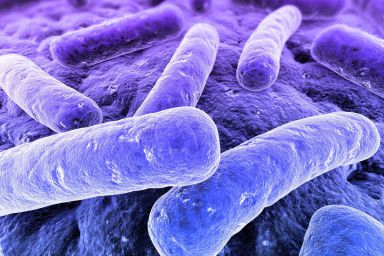
Infections in the blood(Image: Science Photo Library RF)
Breathing
Toilet/nappies
Eating and drinking
Activity and body
Early symptoms of sepsis may include:
If you have diarrhoea it may be a sign(Image: Flickr RF)
Symptoms of more serious sepsis can develop soon after.
Vulnerable groups: Anyone can develop sepsis after an injury or minor infection(Image: Getty)
Anyone can develop sepsis after an injury or minor infection, although some people are more vulnerable.
People most at risk of sepsis include those with a medical condition or receiving medical treatment that weakens their immune system, those who are already in hospital with a serious illness, those who are very young or very old or those who have just had surgery or who have wounds or injuries as a result of an accident.
Medical help: If sepsis is suspected, antibiotics can help to treat it(Image: Getty)
If sepsis is detected early and has not yet affected vital organs, it may be possible to treat the infection at home with antibiotics. Most people who have sepsis detected at this stage will make a full recovery.
Some people with severe sepsis and most people with septic shock require admission to an intensive care unit (ICU), where the bodys organs can be supported while the infection is treated.
As a result of problems with vital organs, people with severe sepsis are likely to be very ill and the condition can be fatal.
However, if identified and treated quickly, sepsis is treatable and in most cases leads to full recovery with no lasting problems.
You may need to give a blood test. Other tests used include:
Choose Daily Mirror as a 'Preferred Source' on Google News for quick access to the news you value.
 [Google Preferred Source Badge]
At Reach and across our entities we and our partners use information collected through cookies and other identifiers from your device to improve experience on our site, analyse how it is used and to show personalised advertising. You can opt out of the sale or sharing of your data, at any time clicking the "Do Not Sell or Share my Data" button at the bottom of the webpage. Please note that your preferences are browser specific. Use of our website and any of our services represents your acceptance of the use of cookies and consent to the practices described in our Privacy Notice and Terms and Conditions.
Accept| Web Proxy Viewer | New URL | Original Page |







![[Daily Mirror]](https://www.mirror.co.uk/nav-web-static/main-1203a175ed6ce47e924c82721a3f0ba020eab5f8/public/assets/mirror/logos/masthead-mirror-default.svg)
![[United Kingdom]](https://www.mirror.co.uk/images/icons/flags/united_kingdom.svg)
![[USA]](https://www.mirror.co.uk/images/icons/flags/usa.svg)
![[Republic of Ireland]](https://www.mirror.co.uk/images/icons/flags/republic_of_ireland.svg)
![[Daily Mirror Icon]](https://www.mirror.co.uk/assets/icons/mirror.svg)
![[Sepsis]](https://i2-prod.mirror.co.uk/article7246553.ece/ALTERNATES/s1200f/Sepsis.jpg)
![[EMB-PROD-02_07_CORO_JACK_SOPHIE_ALI_01.jpg]](https://i2-prod.mirror.co.uk/article12838210.ece/ALTERNATES/s1200e/EMB-PROD-02_07_CORO_JACK_SOPHIE_ALI_01.jpg)
![[Sepsis]](https://i2-prod.mirror.co.uk/article6399352.ece/ALTERNATES/s1200e/Sepsis.jpg)
![[Doctor reads a blood pressure gauge]](https://i2-prod.mirror.co.uk/article6536032.ece/ALTERNATES/s1200e/blood-pressure-gauge.jpg)
![[Sepsis]](https://i2-prod.mirror.co.uk/article7246580.ece/ALTERNATES/s1200e/Sepsis.jpg)
![[THE young boy died in Wishaw General Hospital]](https://i2-prod.mirror.co.uk/article2986522.ece/ALTERNATES/s1200e/THE-young-boy-died-in-Wishaw-General-Hospital.png)
![[0_Baby-crying.jpg]](https://i2-prod.mirror.co.uk/article12002210.ece/ALTERNATES/s1200e/0_Baby-crying.jpg)
![[MAIN-Bacterial-blood-infection-illustration.jpg]](https://i2-prod.mirror.co.uk/article12051523.ece/ALTERNATES/s1200e/MAIN-Bacterial-blood-infection-illustration.jpg)
![[PROD-Reaching-for-a-square-of-toilet-paper.jpg]](https://i2-prod.mirror.co.uk/article12007572.ece/ALTERNATES/s1200e/PROD-Reaching-for-a-square-of-toilet-paper.jpg)
![[Senior man covering his face]](https://i2-prod.mirror.co.uk/article5762581.ece/ALTERNATES/s1200e/Senior-man-covering-his-face.jpg)
![[A stethoscope is pictured in a General Practitioners surgery]](https://i2-prod.mirror.co.uk/article6387693.ece/ALTERNATES/s1200e/A-stethoscope-is-pictured-in-a-General-Practitioners-surgery.jpg)
![[Google Preferred Source Badge]](https://www.mirror.co.uk/_next/image?url=%2Fgoogle-preferred-source-badge-dark.png&w=640&q=75)
![[Ipso logo]](https://www.mirror.co.uk/footer/ipso.svg)
![[trust project logo]](https://www.mirror.co.uk/footer/trust-project.svg)
![[reach logo]](https://www.mirror.co.uk/_next/image?url=%2Fnav-web-static%2Fmain-1203a175ed6ce47e924c82721a3f0ba020eab5f8%2F_next%2Fstatic%2Fmedia%2Flogo-reach.18f672b1.png&w=384&q=75)