Yes
Dismiss
| [ Web Proxy ] |
| Viewing: https://brave.com/glossary/big-tech/ | [Back] [Original] |
“Big tech” is a blanket term for large tech companies that make widely used hardware and software, and generally have a huge amount of influence on technology, the Internet, and the economy as a whole. When capitalized as “Big Tech,” the term often refers to five companies: Amazon, Apple, Google (or Alphabet), Meta (formerly Facebook), and Microsoft. Several of the major Internet brands you may know are actually part of these companies, such as YouTube (Google), Instagram and WhatsApp (Meta), and LinkedIn (Microsoft).
Each of the five Big Tech companies supplies at least one crucial part of the tech ecosystem, and in some cases several:
Big Tech’s level of control and influence is bad for the overall health of the Internet ecosystem. These companies have the power to change how the Internet works in line with their own interests, rather than the interests of users.
Those interests are sometimes in direct conflict with each other. For example, Google Chrome is used by over half of all Web users, on both desktop and mobile devices, so it should play a critical role in protecting people’s privacy on the Web. However, strict privacy protections in Chrome would undermine Google’s tracking-based ads business, which makes up the majority of their revenue. So Chrome lags behind other browsers on privacy protection, to the detriment of the billions of Chrome users worldwide. It’s not a coincidence that browsers from companies that aren’t dependent on tracking-based advertising, like Brave, have much stronger privacy protection by default.
Big Tech’s power extends both to tech and areas beyond the tech field. Google Search ranking affects every business with a Web presence. Social media feed ranking and recommendations have huge effects on the publishing and media industries, shaping the kinds of content that people consume and publishers produce. Apple’s App Store policies affect any company that wants to offer a mobile app.
Big Tech companies use their enormous wealth to influence politics and policy, through lobbying and advertising. The companies that deal in online content, such as Meta (through Facebook and Instagram) and Google (through YouTube and Search), can also influence politics and public discourse through their ranking and recommendation of content, and through their decisions on what types of content are allowed. Their tendency to favor content that boosts “engagement” (views, likes, and comments from users) encourages the production of content that’s simplistic and provocative, rather than nuanced and well-researched.
Brave’s easy-to-use browser blocks ads by default, making the Web faster, safer, and less cluttered for people all over the world.
Get Brave [Brave Software home]
 [close]
 [Brave logo]
Open the installer from Chrome's downloads (it should be in the upper right corner of this window).
 []
[]
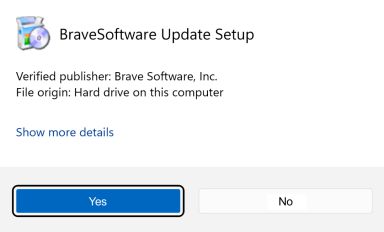
If you're prompted to, click Yes in the User Access Control dialog.
 []
[]
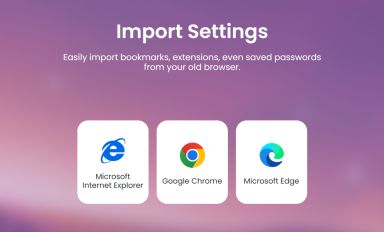
Wait for the installation to finish, then import your browser settings from Chrome.
 []
[]
If your download didnt start automatically, click here.
| Web Proxy Viewer | New URL | Original Page |



![[Brave Software home]](https://brave.com/static-assets/images/brave-logo-sans-text.svg)
![[Google Play Store button]](https://brave.com/static-assets/images/playstore.en.png)
![[Apple App Store button]](https://brave.com/static-assets/images/app-store-badge.en.png)
![[Brave Software home]](https://brave.com/static-assets/images/brave-logo.svg)
![[close]](https://brave.com/static-assets/icons/close-icon.svg)
![[]](https://brave.com/static-assets/images/interstitial-step-1.png)
![[]](https://brave.com/static-assets/images/interstitial-step-2.png)
![[]](https://brave.com/static-assets/images/interstitial-step-3.png)
![[Download QR code]](https://brave.com/static-assets/images/interstitial-download-qr.png)