Yes
Dismiss
| [ Web Proxy ] |
| Viewing: https://brave.com/glossary/phishing/ | [Back] [Original] |
Phishing (pronounced “fishing”) refers to stealing people’s passwords by tricking them, using a fake website that mimics a legitimate one. Phishing often takes place via email, with the sender pretending to be a well known person or company. Phishing messages typically invoke a sense of urgency or panic, and compel readers to take immediate action.
A phisher will set up a website that looks like the login page of a legitimate site. They then try to get people to go to their site, in the hopes that people will enter their usernames and passwords for the “real” (or impersonated) site.
Whenever a user enters a password on the phishing site, the site records it, and then redirects the user to the legitimate site so that they won’t know anything is amiss. The phisher can then use or sell the stolen passwords.
Note that these faked sites can have varying degrees of quality. In some cases they’ll look visually very different from the original, and be obvious forgeries. In other cases the fake version will be almost indistinguishable from the real thing.
One common method is for phishers to send out emails or text messages that look as if they come from a legitimate source. These messages include a link to the phishing site, and try to entice or pressure the user into clicking. They may use language that implies some urgency, such as by saying “Your account will be deleted unless you click here to log in right away!” They may also offer a reward, such as: “You’ve won $1000! Click here to claim your prize!”
Another phishing tactic is “typosquatting.” In this case a phisher will buy a domain name that’s similar to the URL of the legitimate site they’re mimicking, and set up a phishing site to catch users who mistype the legitimate site’s URL. To prevent this, many major companies will buy up lots of domain names similar to their primary one (for example, Google owns “googel.com”).
There are a few things you can do to protect yourself against phishing:
Brave’s easy-to-use browser blocks ads by default, making the Web faster, safer, and less cluttered for people all over the world.
Get Brave [Brave Software home]
 [close]
 [Brave logo]
Open the installer from Chrome's downloads (it should be in the upper right corner of this window).
 []
[]
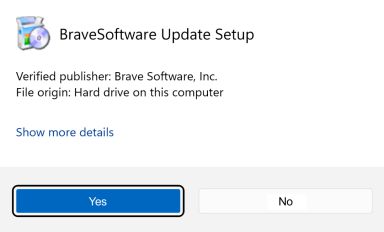
If you're prompted to, click Yes in the User Access Control dialog.
 []
[]
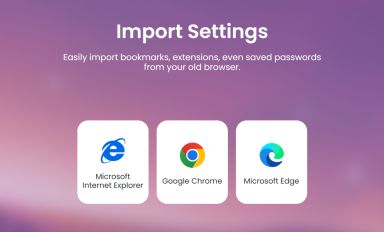
Wait for the installation to finish, then import your browser settings from Chrome.
 []
[]
If your download didnt start automatically, click here.
| Web Proxy Viewer | New URL | Original Page |



![[Brave Software home]](https://brave.com/static-assets/images/brave-logo-sans-text.svg)
![[Google Play Store button]](https://brave.com/static-assets/images/playstore.en.png)
![[Apple App Store button]](https://brave.com/static-assets/images/app-store-badge.en.png)
![[Brave Software home]](https://brave.com/static-assets/images/brave-logo.svg)
![[close]](https://brave.com/static-assets/icons/close-icon.svg)
![[]](https://brave.com/static-assets/images/interstitial-step-1.png)
![[]](https://brave.com/static-assets/images/interstitial-step-2.png)
![[]](https://brave.com/static-assets/images/interstitial-step-3.png)
![[Download QR code]](https://brave.com/static-assets/images/interstitial-download-qr.png)