Yes
Dismiss
| [ Web Proxy ] |
| Viewing: https://brave.com/glossary/amp/ | [Back] [Original] |
AMP stands for “Accelerated Mobile Pages,” a limited version of HTML, developed by Google. Website owners can create AMP versions of their pages, which look like they’re coming from the original publisher’s site. But in fact an AMP page is a cached version of the original page that lives on Google’s servers. This makes AMP harmful to privacy, security, and the openness of the Web. Google positioned AMP as a way for website owners to make their pages faster but, ironically, they’re often slower than the original publisher versions.
AMP is harmful in several ways:
Additionally, AMP doesn’t always provide its purported benefit of greater speed. Loading an AMP page from Google’s servers isn’t necessarily faster than loading the page from the original website.
One easy way to avoid AMP pages is to use a browser like Brave. The Brave browser includes a feature that automatically sends you to the original version of a page, rather than a Google AMP version.
There are extensions for other browsers that do the same thing, but be wary. Any browser extension comes with privacy and performance risks. They’re made by third-party developers who may or may not be trustworthy. They might collect data about your browsing activity. And they might slow down your browser or drain your battery life. In other words, extensions can cause some of the same problems that ads do.
Brave’s easy-to-use browser blocks ads by default, making the Web faster, safer, and less cluttered for people all over the world.
Get Brave [Brave Software home]
 [close]
 [Brave logo]
Open the installer from Chrome's downloads (it should be in the upper right corner of this window).
 []
[]
If you're prompted to, click Yes in the User Access Control dialog.
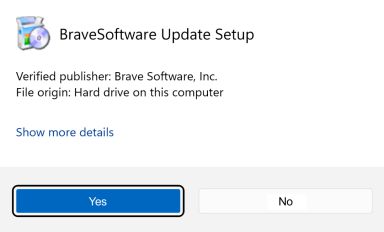 []
[]
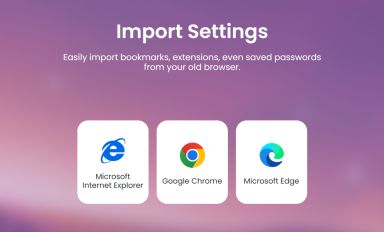
Wait for the installation to finish, then import your browser settings from Chrome.
 []
[]
If your download didnt start automatically, click here.
| Web Proxy Viewer | New URL | Original Page |



![[Brave Software home]](https://brave.com/static-assets/images/brave-logo-sans-text.svg)
![[Google Play Store button]](https://brave.com/static-assets/images/playstore.en.png)
![[Apple App Store button]](https://brave.com/static-assets/images/app-store-badge.en.png)
![[Brave Software home]](https://brave.com/static-assets/images/brave-logo.svg)
![[close]](https://brave.com/static-assets/icons/close-icon.svg)
![[]](https://brave.com/static-assets/images/interstitial-step-1.png)
![[]](https://brave.com/static-assets/images/interstitial-step-2.png)
![[]](https://brave.com/static-assets/images/interstitial-step-3.png)
![[Download QR code]](https://brave.com/static-assets/images/interstitial-download-qr.png)