Yes
Dismiss
| [ Web Proxy ] |
| Viewing: https://brave.com/glossary/network-security/ | [Back] [Original] |
Network security refers to the processes and tools an organization uses to monitor their network, control access and detect unauthorized activity, and prevent damage to the network and theft of its data. Network security is concerned with who has access to what data, and what permissions they have regarding that data, as well as network use in general. The tools and processes of network security can be applied to protect both large organizations and small networks like a home or small office.
Network security, an area within cybersecurity and information security, focuses on the security of network infrastructure with a goal of protecting the data accessed by that network. It must protect against outside and inside threats, whether intentional or accidental. A comprehensive network security strategy will adopt a layered approach, incorporating many different tools employed both at points of entry (“at the edge” or perimeter of the network) and within the network. An effective network strategy needs to continuously evolve to address new threats and new areas of vulnerability like cloud services and Internet of Things (IoT) devices.
In the context of network security, a network consists of a group of computers and other devices, and the hardware and software used to allow them to talk to one another. Network security protects this infrastructure and the associated data, systems, programs, apps, and websites that function on the network.
Protecting the networks and its associated data and programming means preventing events like data breaches and active sabotage. These events can be the result of various types of attacks, including:
Attacks can be passive (like intercepting data) or active (like malware designed to disrupt functionality). Points of attack are anything that may have a weak spot: human activities like logging in, hardware and devices with design or operating system flaws, and applications with programming bugs are just some examples. Because of the importance of what’s being protected, and the variety of threats, network security can become a complex set of policies and procedures.
Attacks can be very costly. Spending time and effort on maintaining good network security pays for itself by reducing the potential costs of recovery or reputational damage from a successful attack. An attacked system can suffer performance issues, which in turn can mean a loss of business. Adding to the cost of lost business is the cost to repair the damage to the system. Strong network security can mean avoiding these expensive repairs.
Data breaches are bad for the individual and for the organization responsible for storing the data. The cost to an individual can be financial, but there’s often an emotional toll and hours of lost time trying to recover and re-secure one’s accounts. The costs to an organization for a data breach are also substantial. In addition to losing the trust of their clientele, there may be fines, settlements, and legal fees. If the data breach is a part of a ransomware attack, ransom payments add to the total cost.
Finally, some organizations may be regulated. Some regulations require organizations to maintain and prove good network security. Regulations may also require timely disclosure when a data breach happens, and may levy fines when these disclosure requirements aren’t met. Some of the more familiar regulations that address network security and data breaches are HIPAA, GDPR, and CCPA.
The first layer of network security is found on the perimeter, in an effort to keep bad actors out of the network entirely. But it’s important to create defenses within the network. Internal layers of security address the possibility of a successful attack breaking through the perimeter, and protect from malicious or dangerous actions within the network by trusted individuals. Here is a partial list of some tools and processes commonly used as part of a network security policy:
The landscape for network security is always changing and growing, generating new challenges to keeping systems safe. The variety of devices in more locations, including remote work and IoT, means it’s increasingly important to keep individuals focused on security and maintaining safe practices. The IoT explosion, in particular, creates a lot of opportunities for hackers. IoT security features are not always as rigorous as on other devices. Hacking into an IoT device can give access to both the local network (like the home the IoT device is in) and the controlling network (i.e. the company that makes the device and provides the app interfaces).
Most data breaches involve data stored on cloud systems. Cloud service providers perform some level of network security, but the organization using the cloud service needs to add their own layers via configuration within their corner of the cloud. Being proactive with their cloud presence as if it’s an in-house network requires new tools and policies, like the zero trust access model.
While you have to rely on the network security programs of the organizations that store your data, you can take steps to protect your home and small business networks, and all the data that goes with them:
Brave’s easy-to-use browser blocks ads by default, making the Web faster, safer, and less cluttered for people all over the world.
Get Brave [Brave Software home]
Open the installer from Chrome's downloads (it should be in the upper right corner of this window).
 []
[]
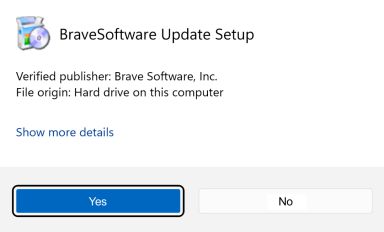
If you're prompted to, click Yes in the User Access Control dialog.
 []
[]
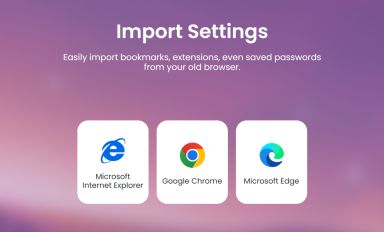
Wait for the installation to finish, then import your browser settings from Chrome.
 []
[]
If your download didnt start automatically, click here.
| Web Proxy Viewer | New URL | Original Page |




![[Brave Software home]](https://brave.com/static-assets/images/brave-logo-sans-text.svg)
![[Google Play Store button]](https://brave.com/static-assets/images/playstore.en.png)
![[Apple App Store button]](https://brave.com/static-assets/images/app-store-badge.en.png)
![[Brave Software home]](https://brave.com/static-assets/images/brave-logo.svg)
![[close]](https://brave.com/static-assets/icons/close-icon.svg)
![[]](https://brave.com/static-assets/images/interstitial-step-1.png)
![[]](https://brave.com/static-assets/images/interstitial-step-2.png)
![[]](https://brave.com/static-assets/images/interstitial-step-3.png)
![[Download QR code]](https://brave.com/static-assets/images/interstitial-download-qr.png)